Oakley Radar Pace
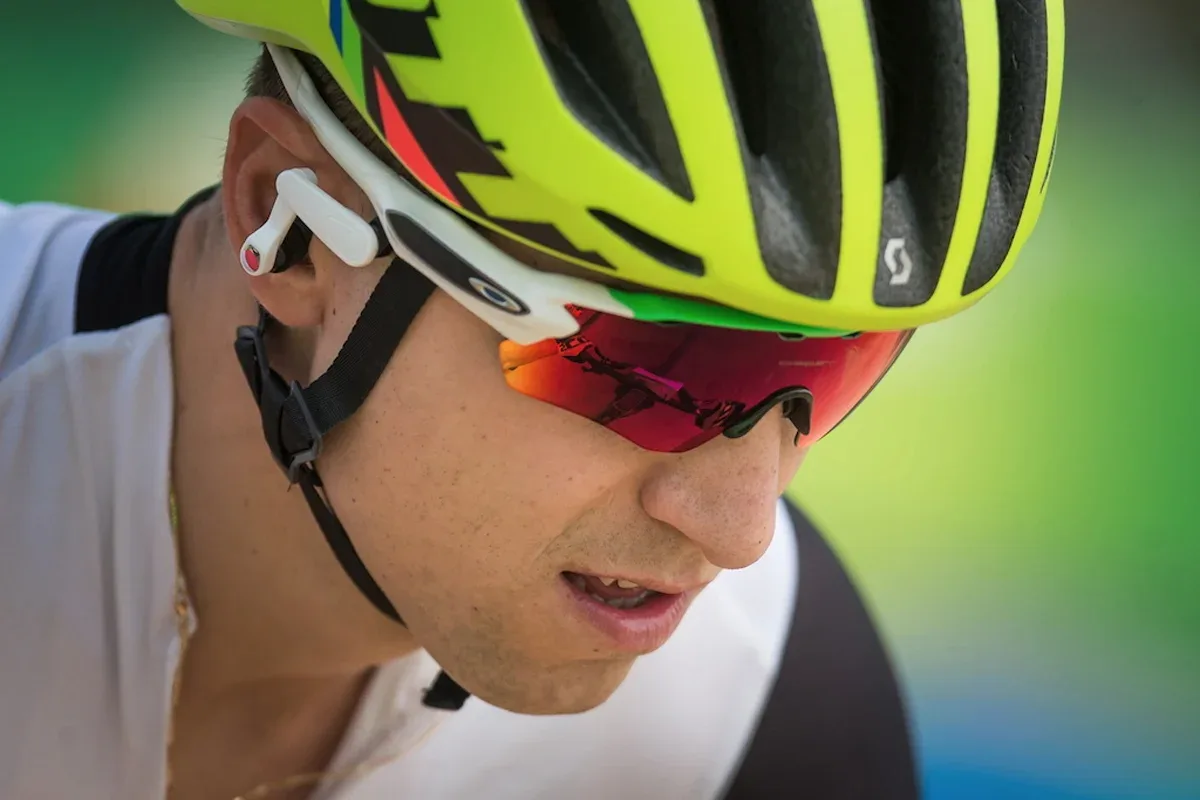
Radar Pace is a real-time voice-activated coaching system built into smart sunglasses that creates a unique training program, tracks your performance and coaches you in the moment. It was an Intel and Oakley collaboration.
The core question
Radar Pace coaches athletes by voice through smart eyewear. Without a phone connection, could an untethered voice experience still meet what users expect of it?
Project facts
Timeline
Prototyping and research at Intel; launched Oct 2016
My role
Creative technology, UX prototyping, user research
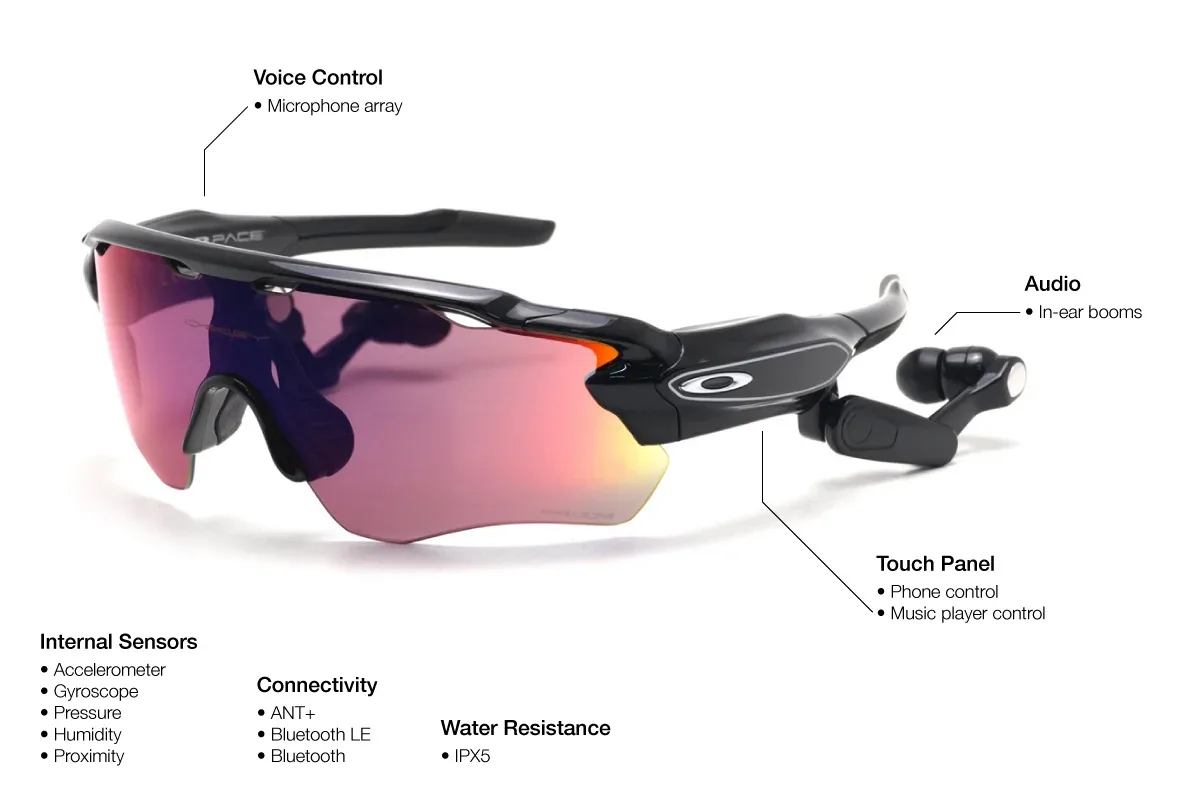
Prototyping an untethered voice experience
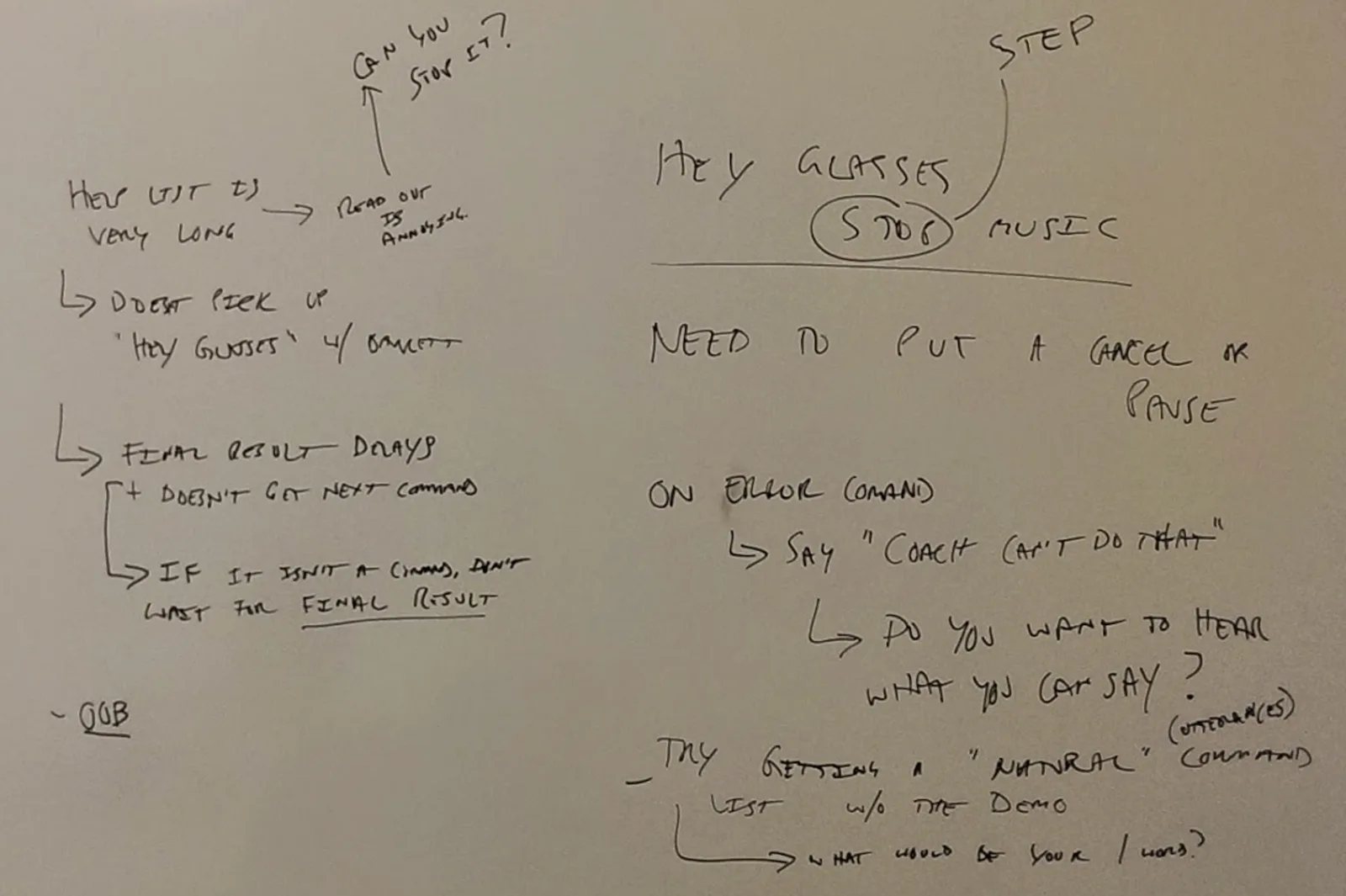
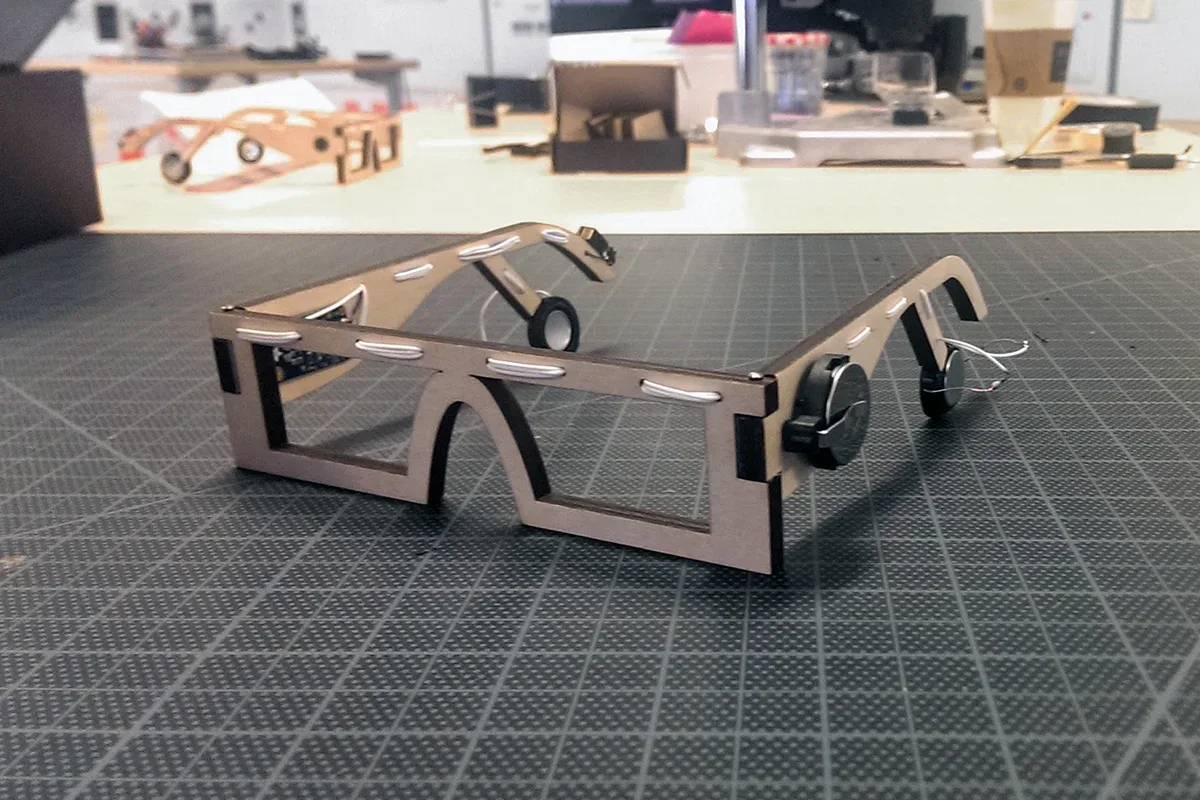
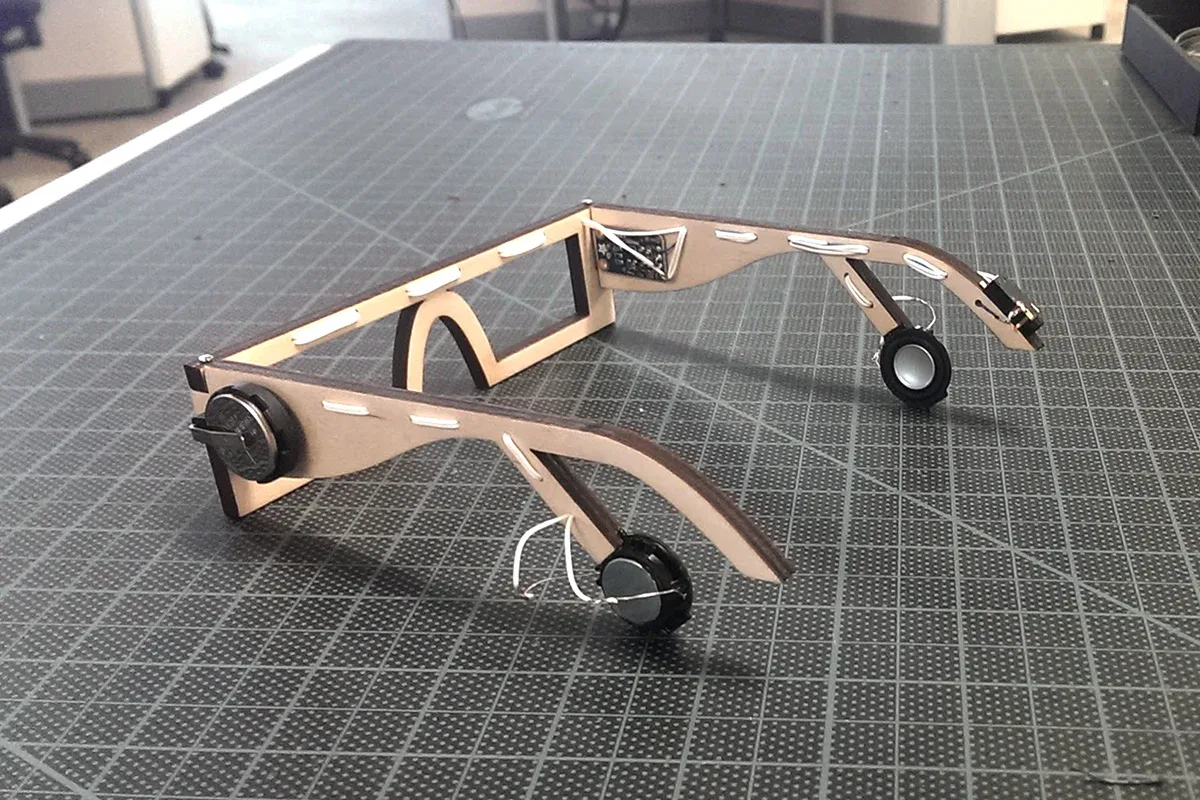
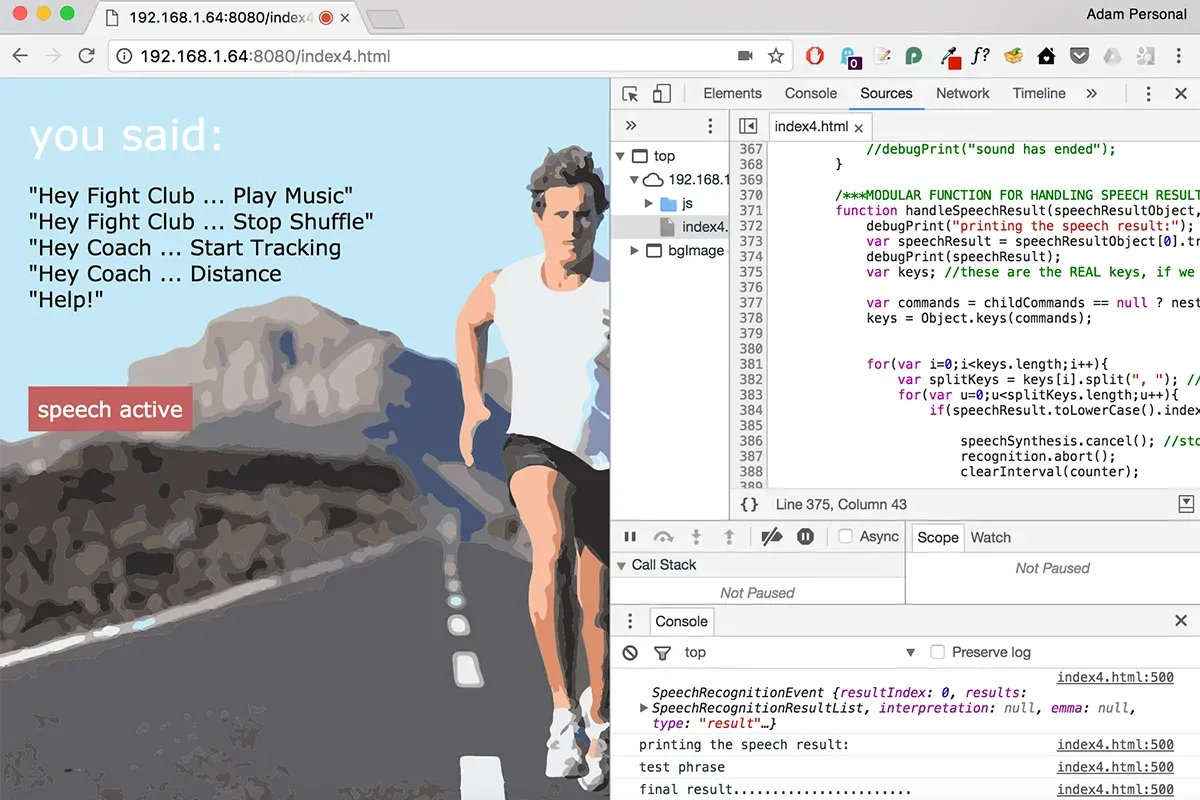
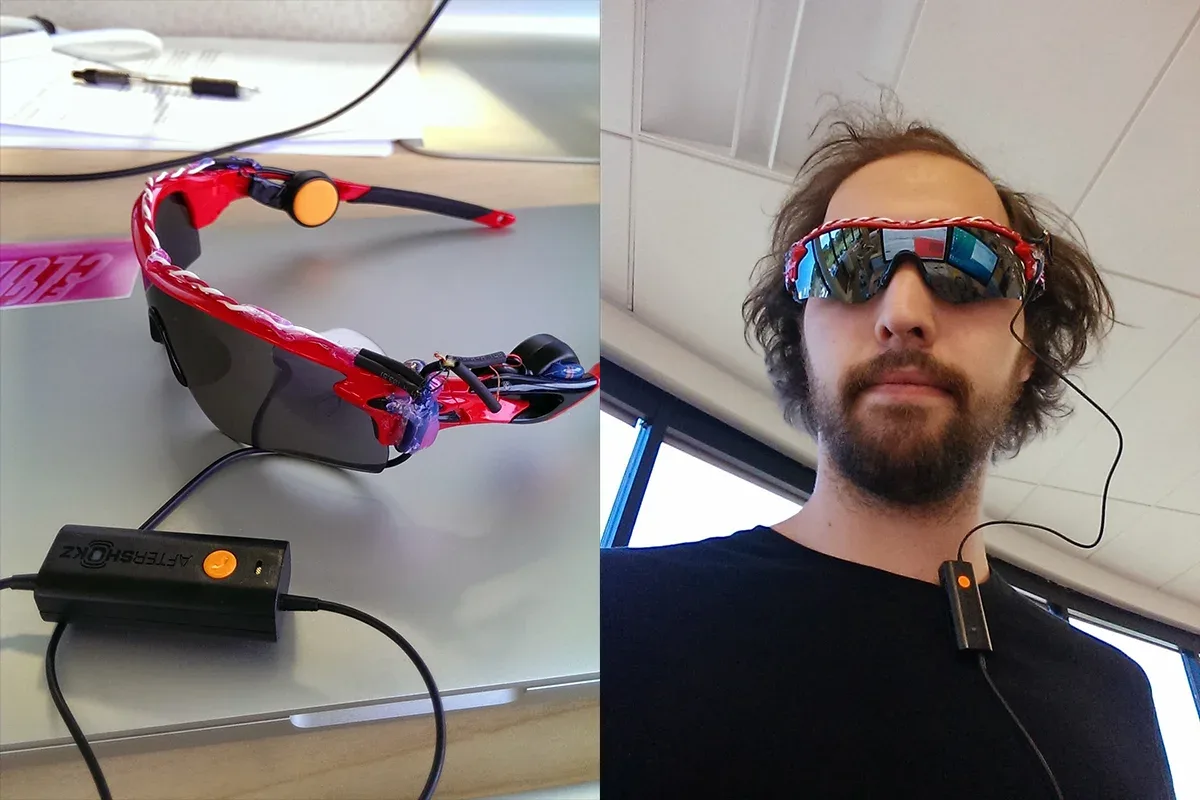
I designed a simple untethered voice experience (without phone connection) prototype for users to interact with basic workout stats and music controls when the sunglasses are not connected to a phone.
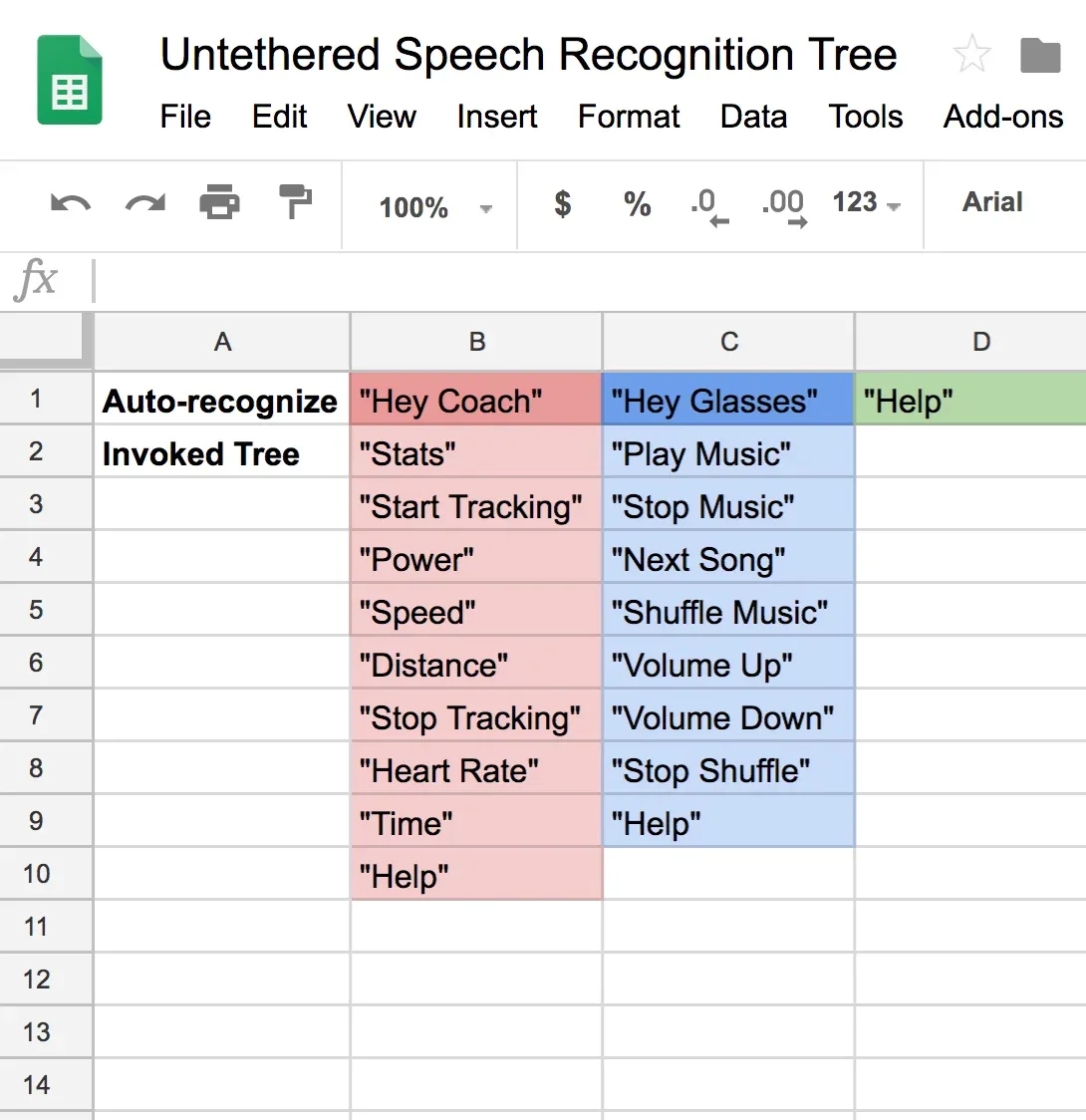
The goal was to replicate the no-connection experience as closely as possible. That meant working with the hardware engineering team to understand how much on-device storage the glasses would have, since it directly limited how many voice commands they could support. I also had to learn how the voice recognition technology itself worked, so I could design a command tree that matched what users actually needed rather than what the hardware made easiest.
User studies and stakeholder review
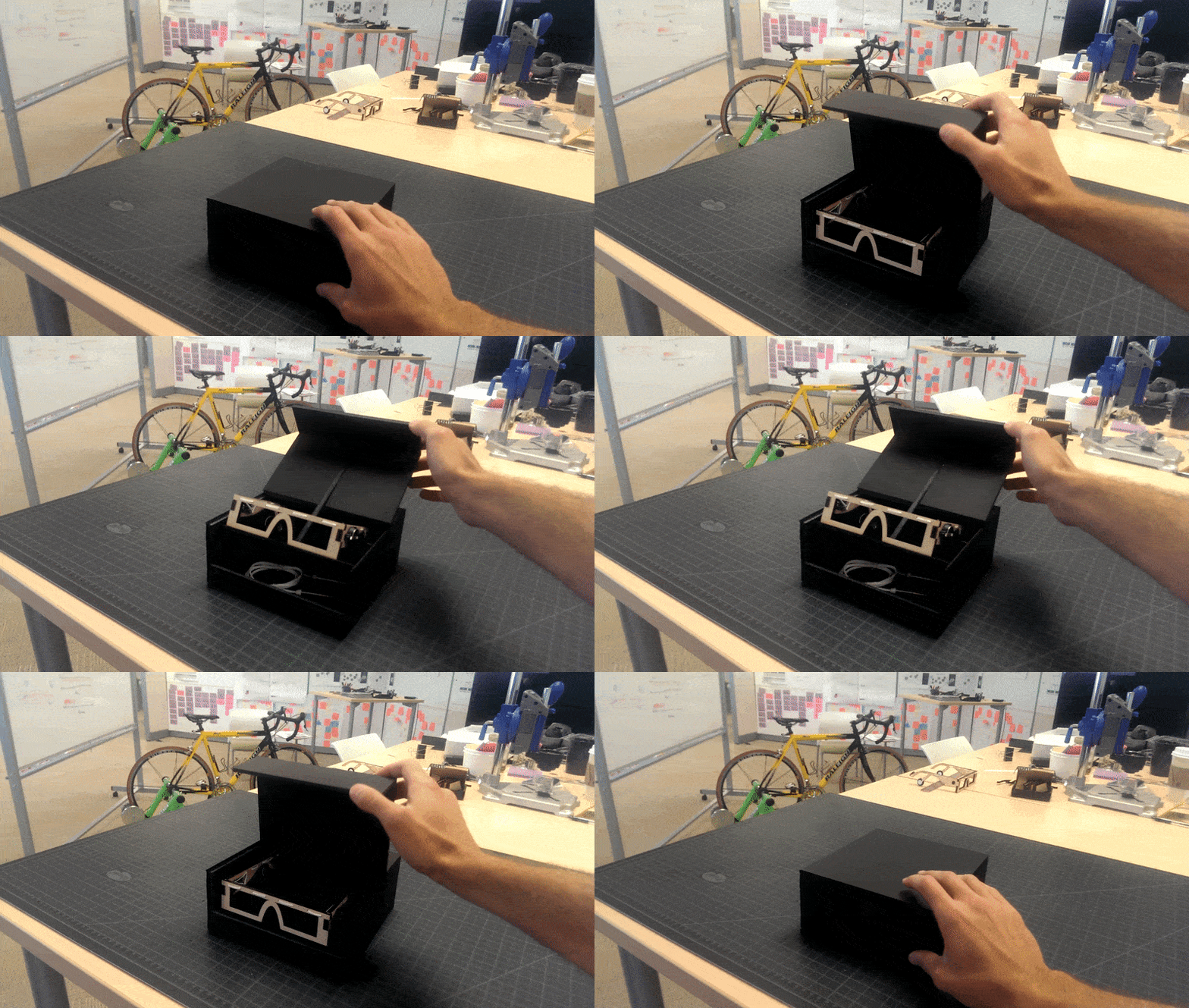
After conducting numerous user studies, I designed a prototype to present at a stakeholders meeting to help make product decisions and produce engineering requirements.