Knowledge Graph
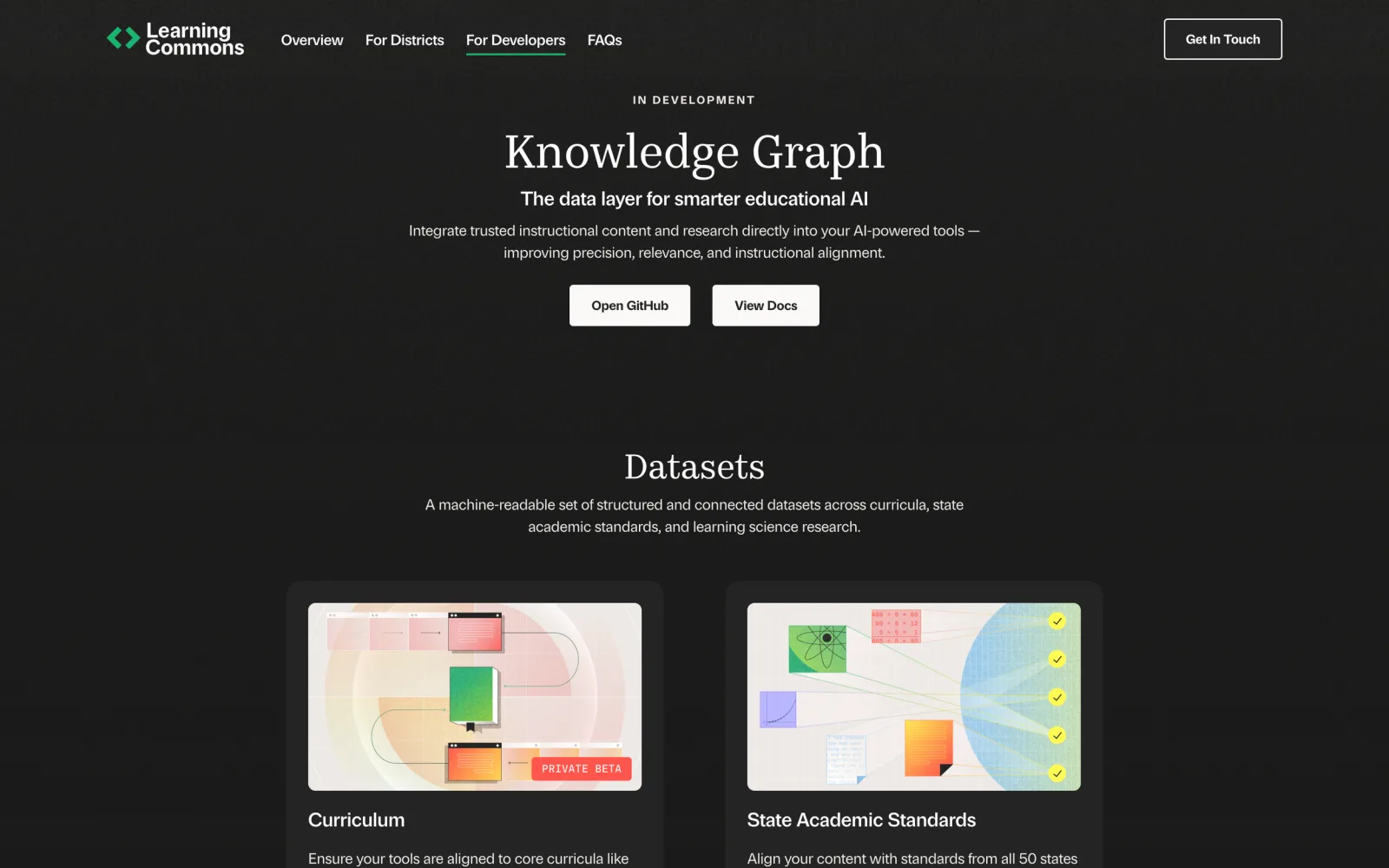
Knowledge Graph connects education standards, curricula, and learning science data into a unified dataset and services, empowering developers to create AI-driven instructional tools. It’s a flagship developer resource in CZI’s Learning Commons initiative for building public AI infrastructure in K–12 education.
The core question
Given the widespread rise of AI/LLMs, how can we build the shared infrastructure that enables the edtech ecosystem to embed proven learning science in every product?
Project facts
Timeline
Kicked off in July 2024, launched Sep 2025
My role
Creative technology, interim PM (4 months), UX strategy, user research
Team configuration
PM, UX, learning science, data science, engineering, prod ops
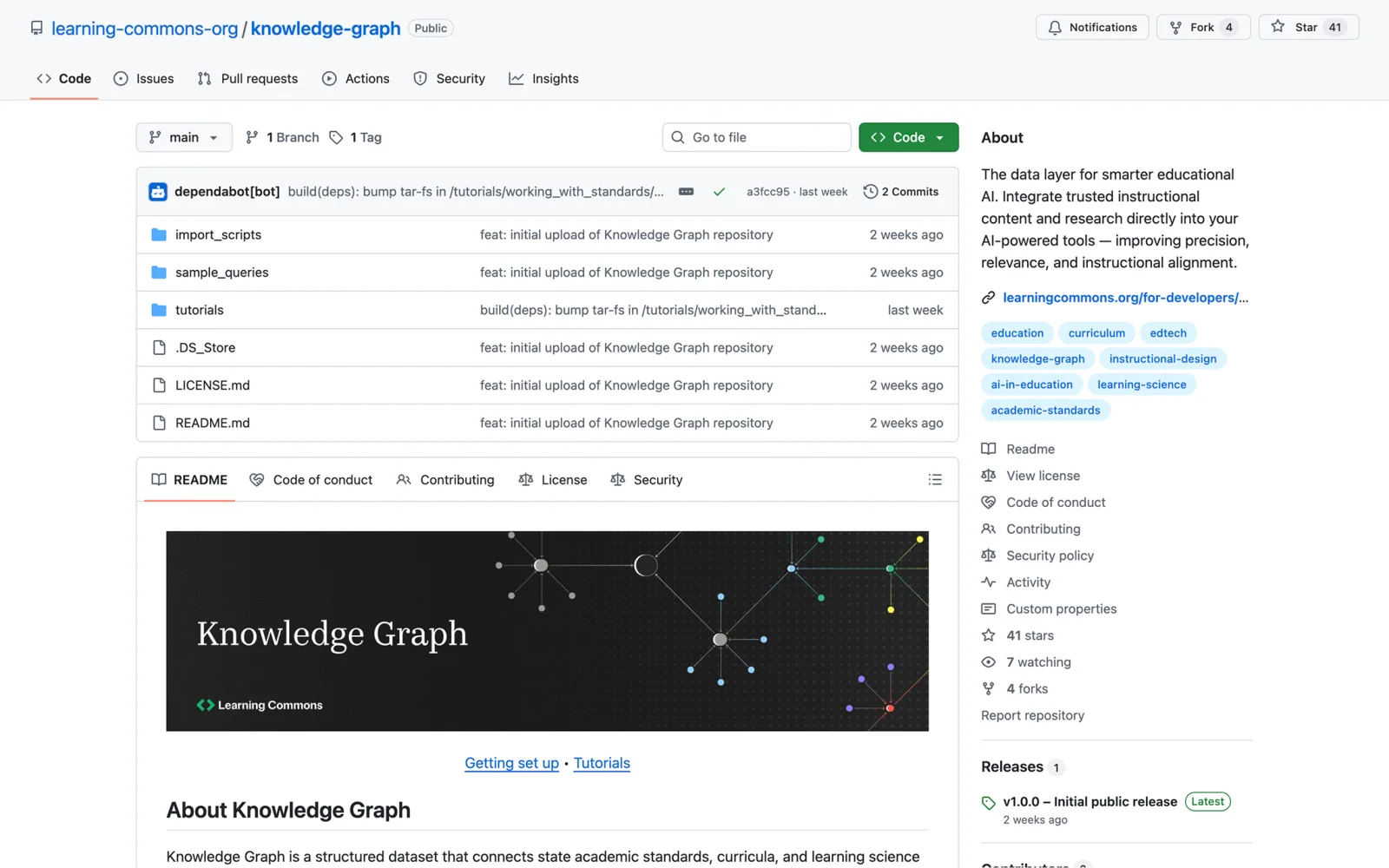
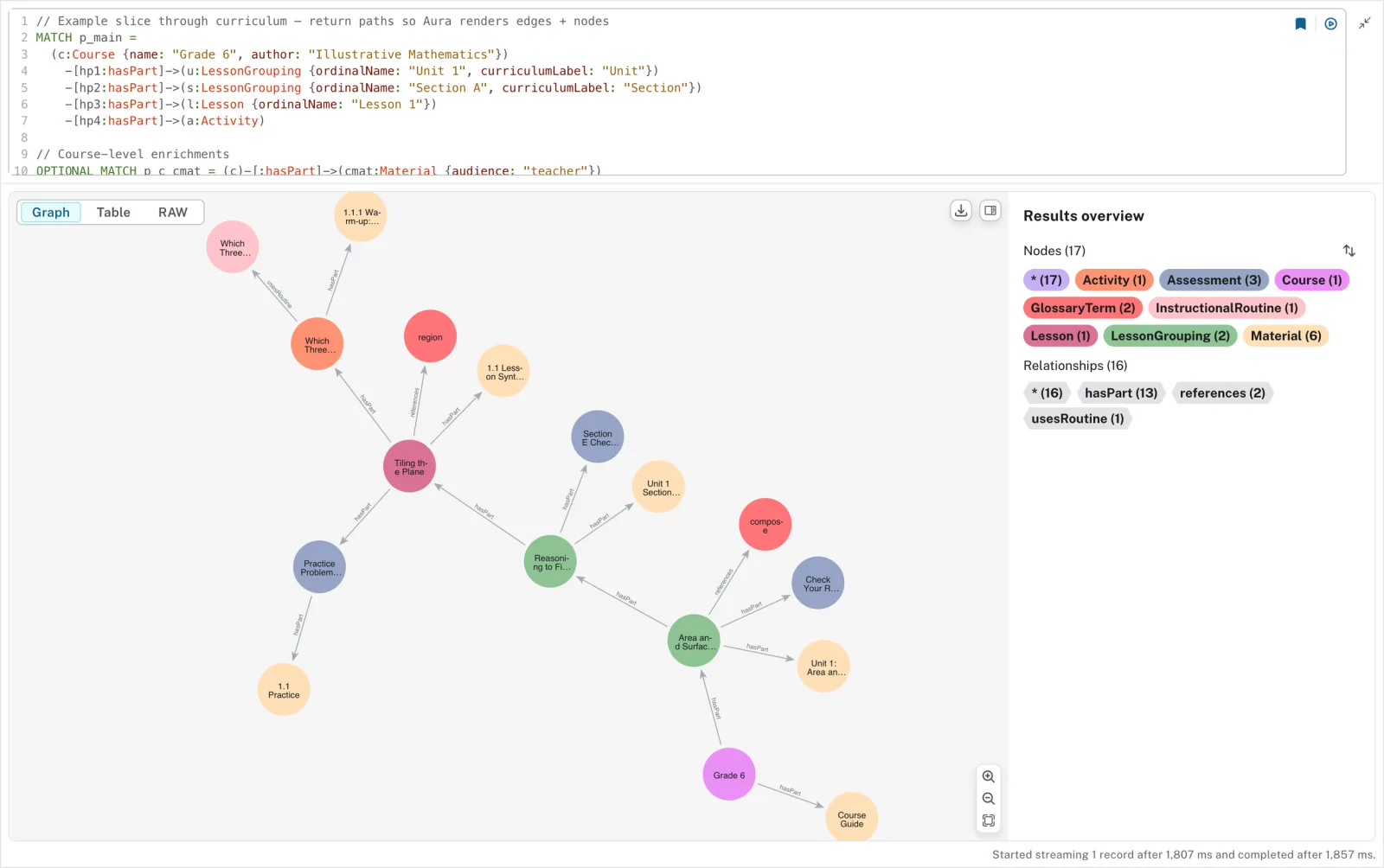
Project kick-off and initial understanding
Building on CZI’s decade of education work and recent AI initiatives, I led an assumption mapping exercise to align the team and shape a learning plan.
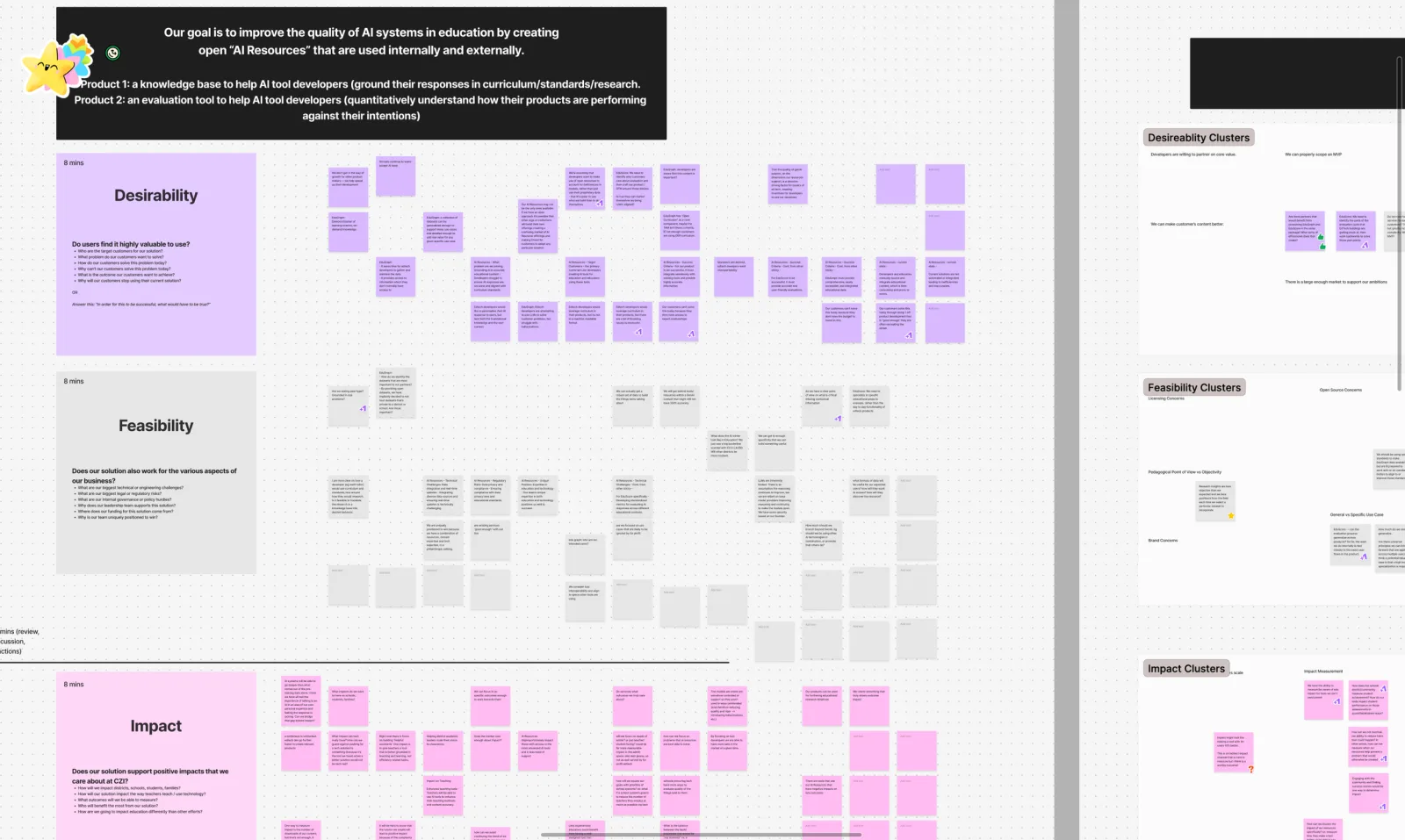
The assumption mapping workshop yielded an aligned grouping of critical assumptions that were both uncertain and high risk (mapped along a 2x2). These were used to create our first learning plan that would guide user research, and both strategic and technical investigations.
Defining needs
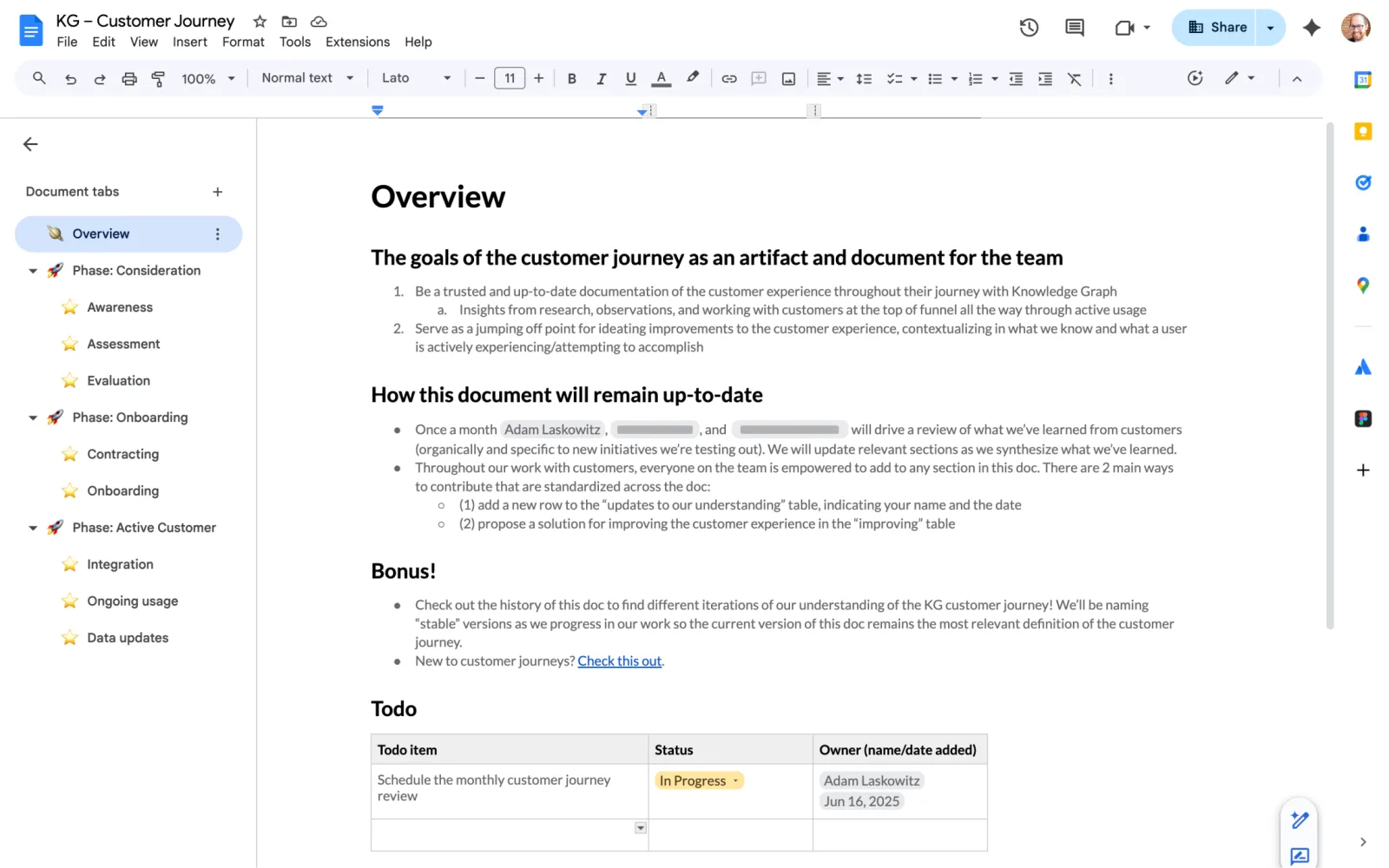
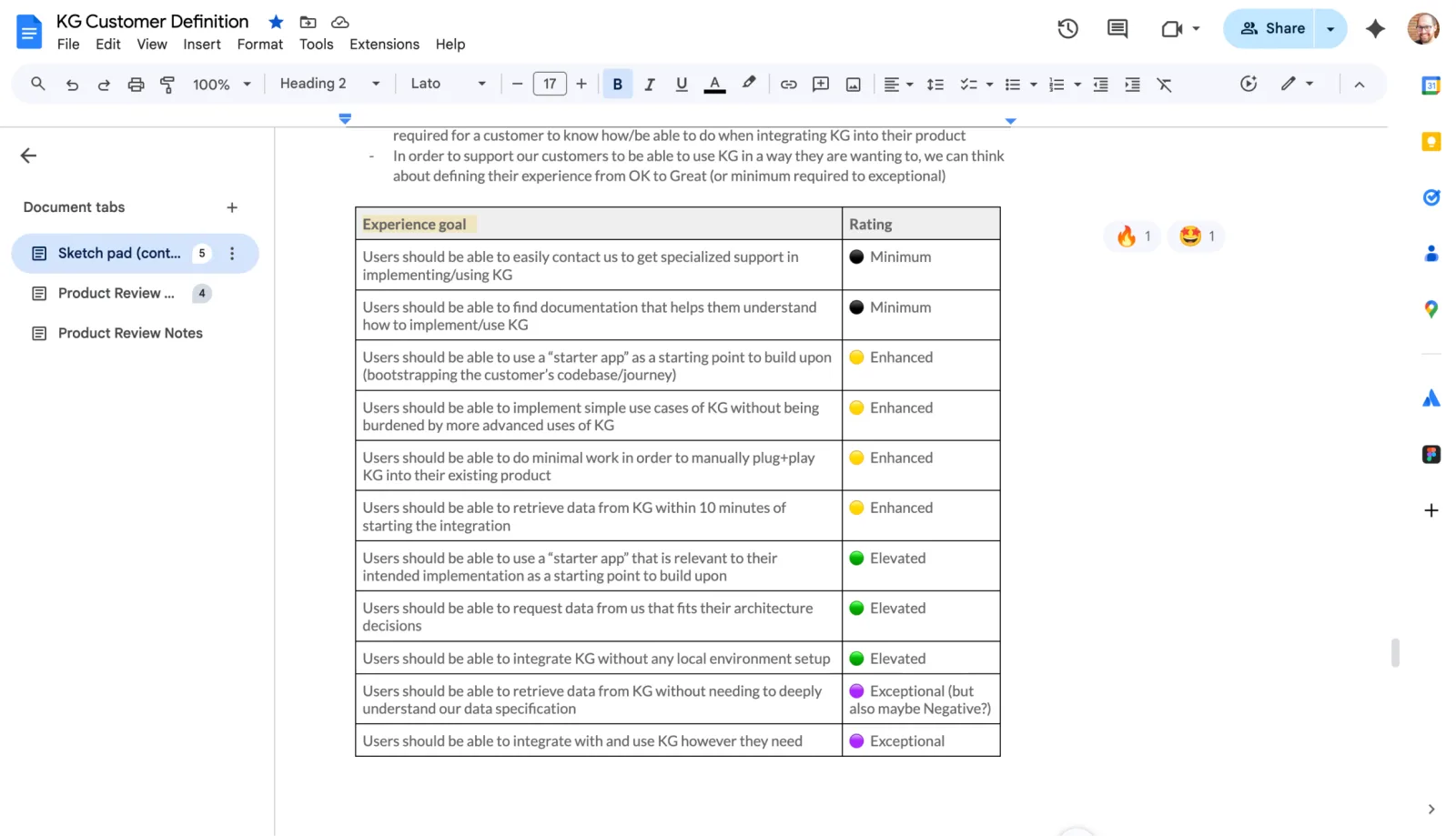
I worked in parallel, collaboratively with UXR and learning science experts to better understand user needs, while hands-on with PM, engineering, and data science to define the product features and data specs.
Provocations and design explorations
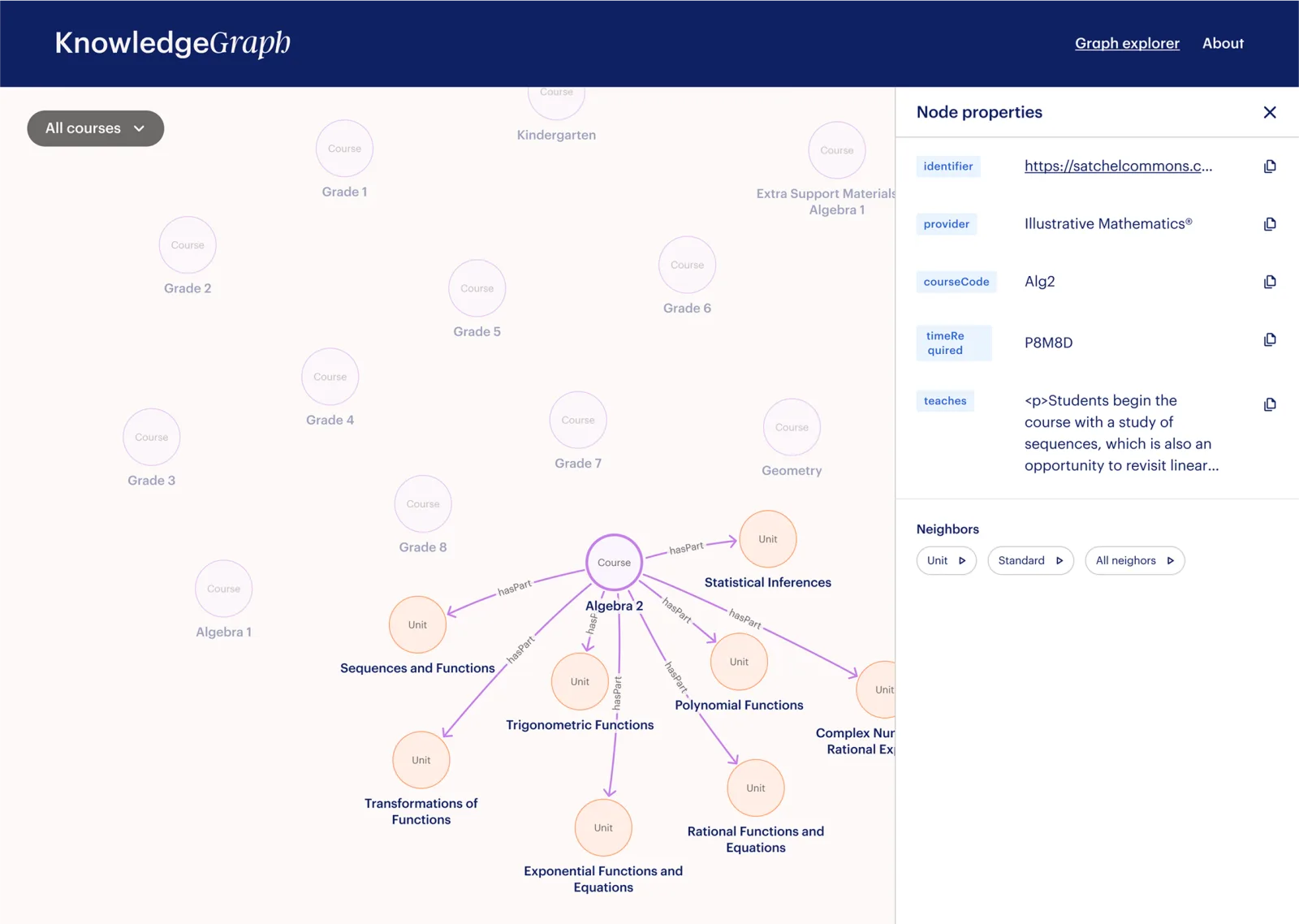
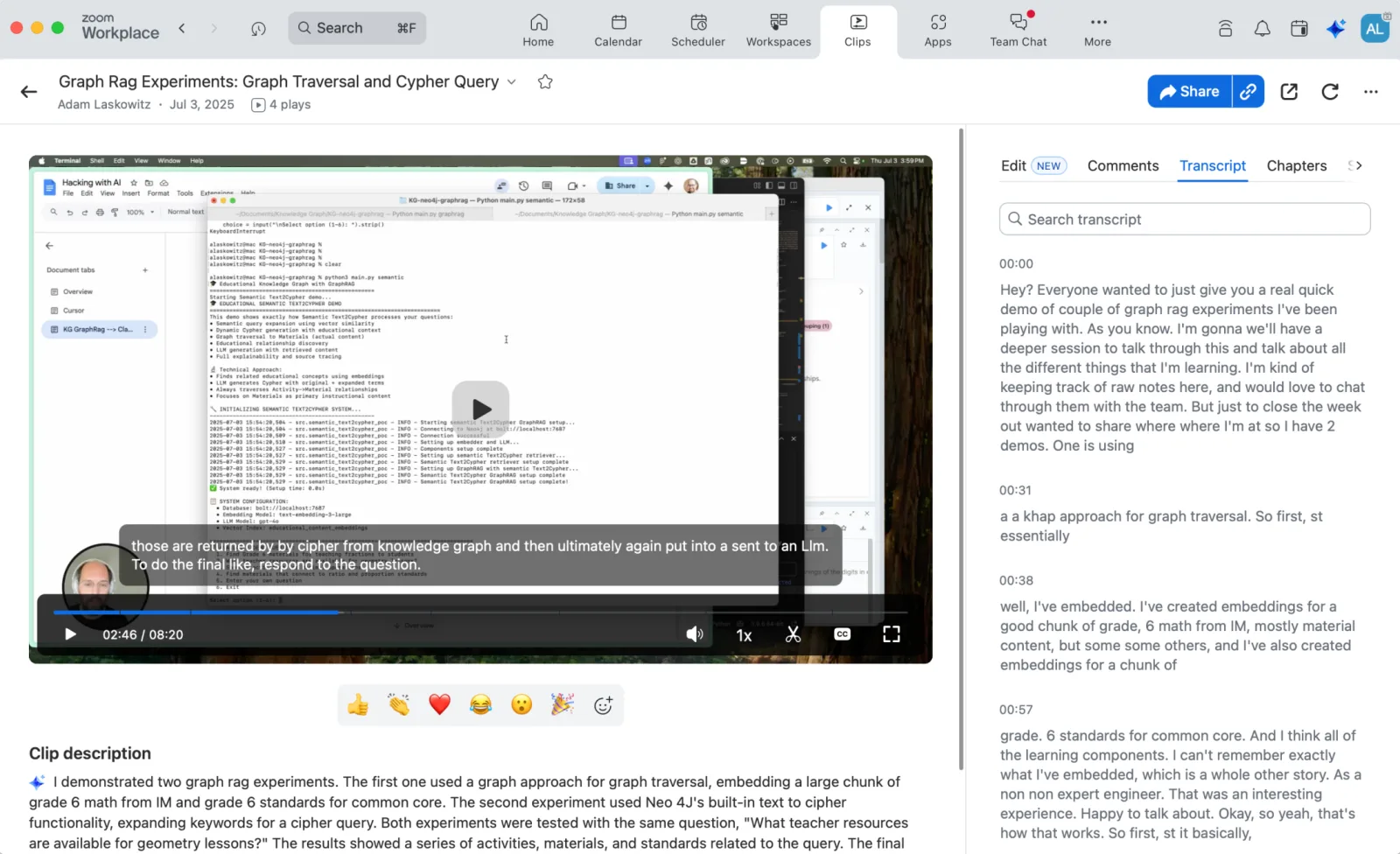
Throughout the project I pushed on areas for design to help bring to life a fundamentally technical product and help improve usability and discovery. We learned that the datasets in Knowledge Graph can feel unwieldy and hard to work with even for companies who have been in edtech for decades.
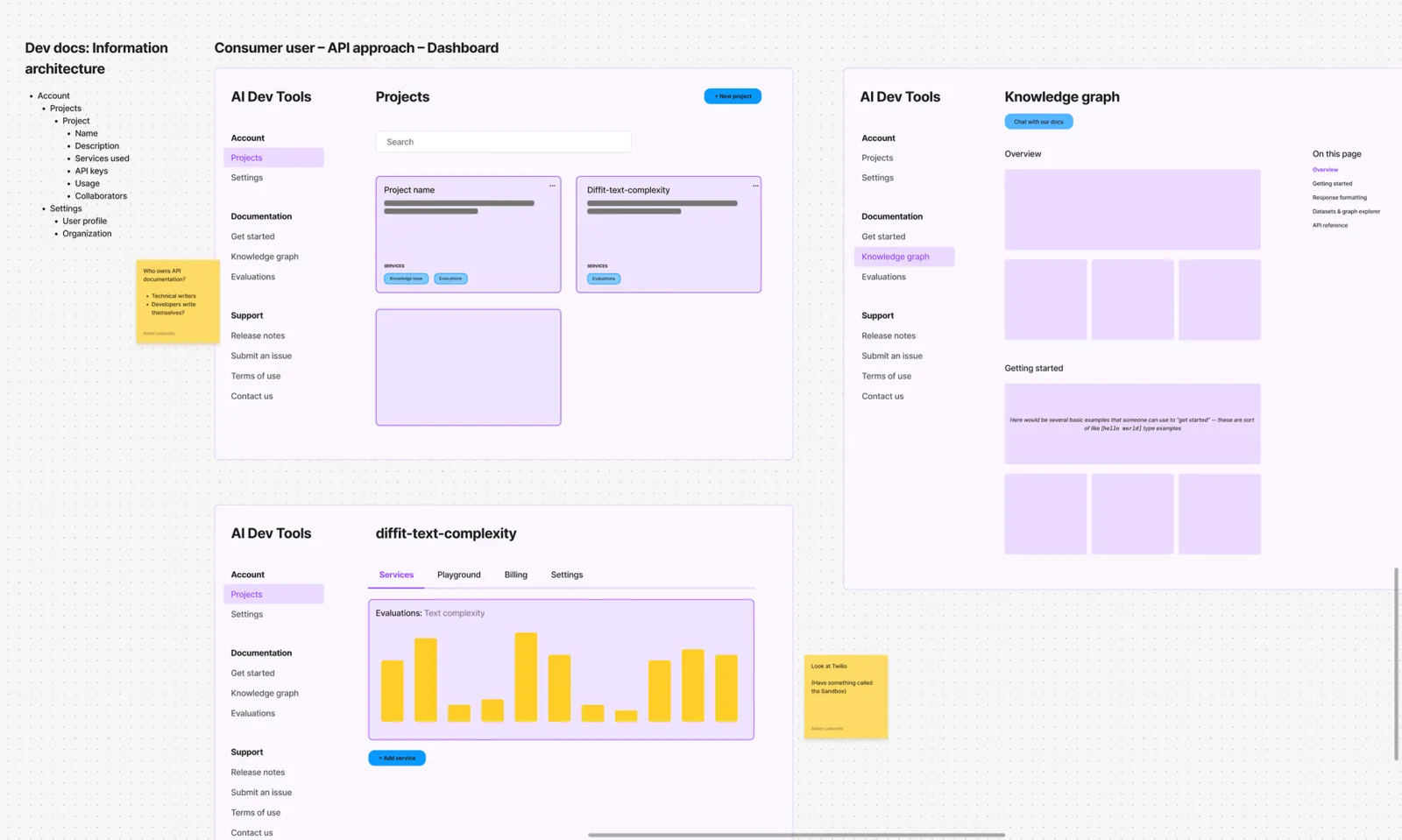
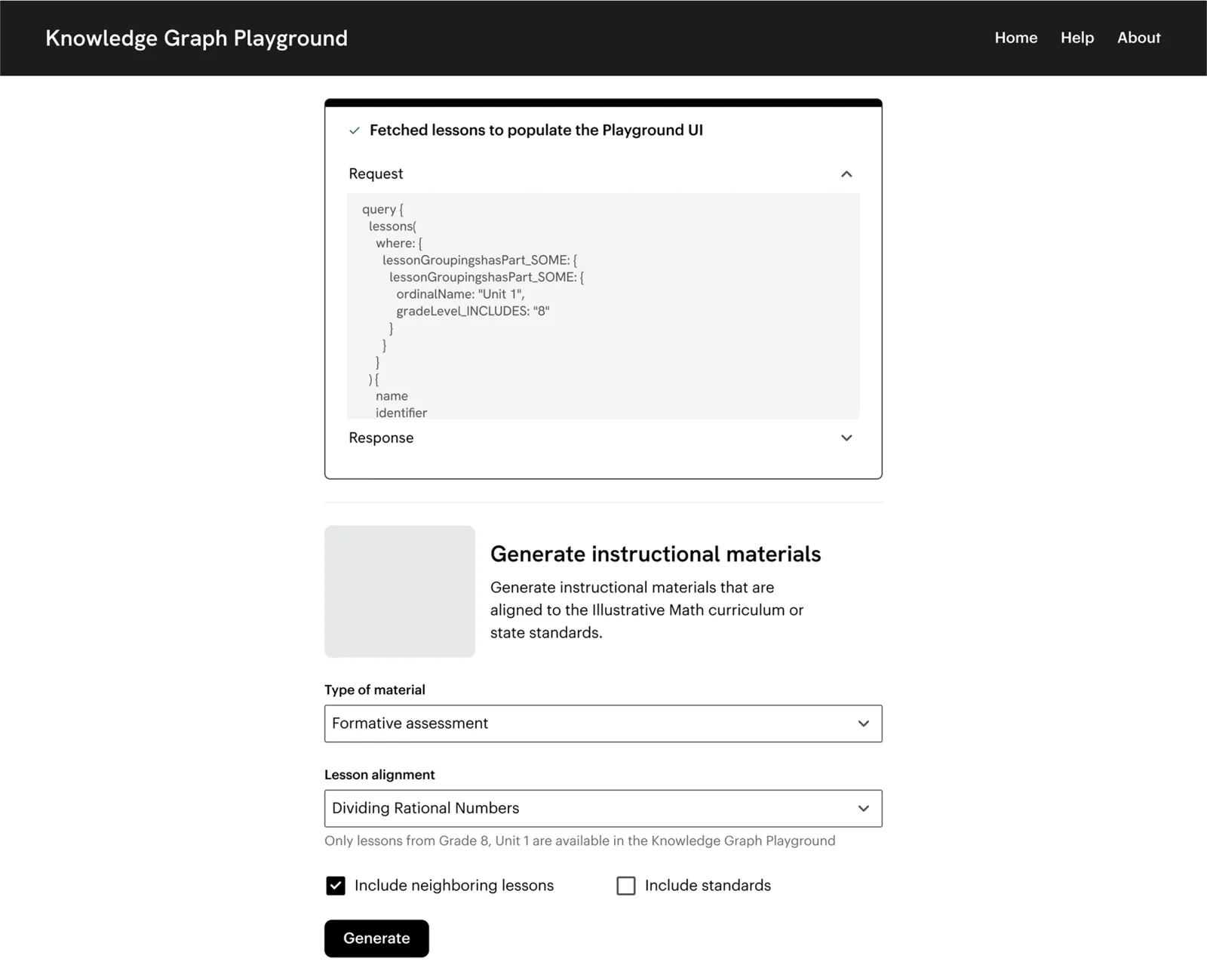
Theses mockups at varying degrees of fidelity were critical to put something tangible (images/prototypes) to ideas the team would discuss and debate. Making it visual/interactive meant we could react to specific rather than ambiguous.
Getting to the launch
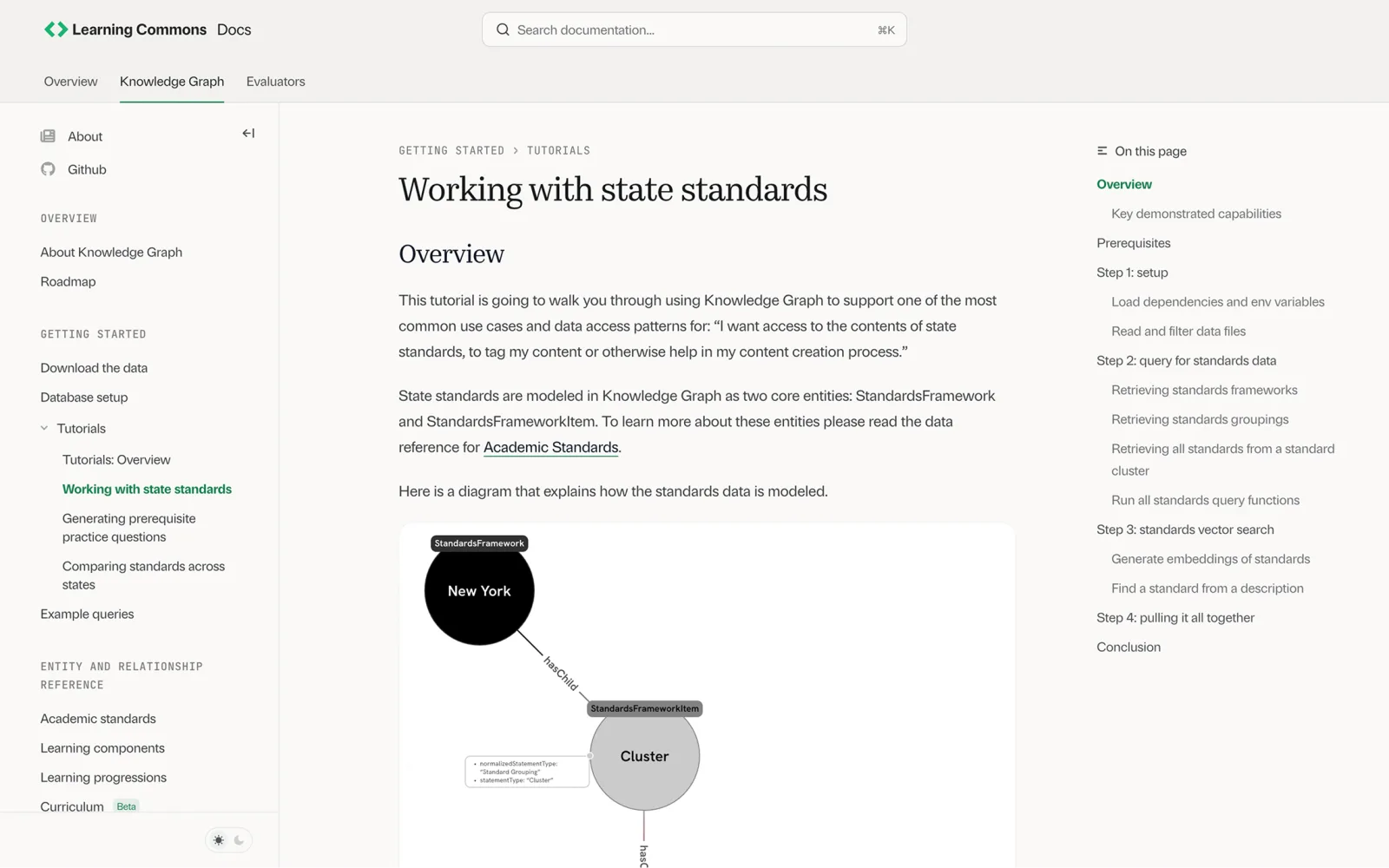
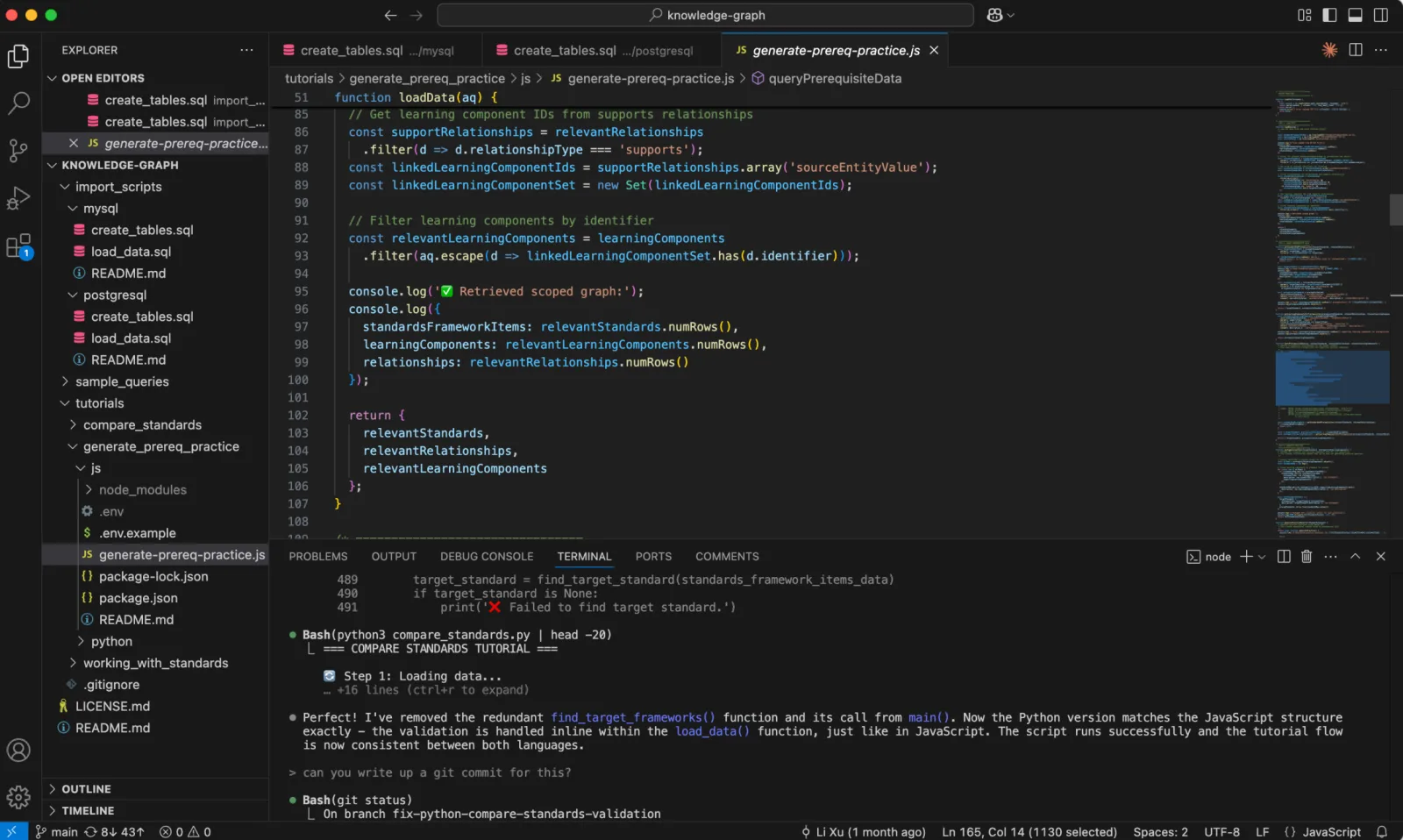
After many rounds of research, experiments, and iteratively building with partners, we scoped work for a formal public release. I focused on defining, designing, and building a series of tutorials that connected with high-impact use cases to help developers use Knowledge Graph more easily and successfully.
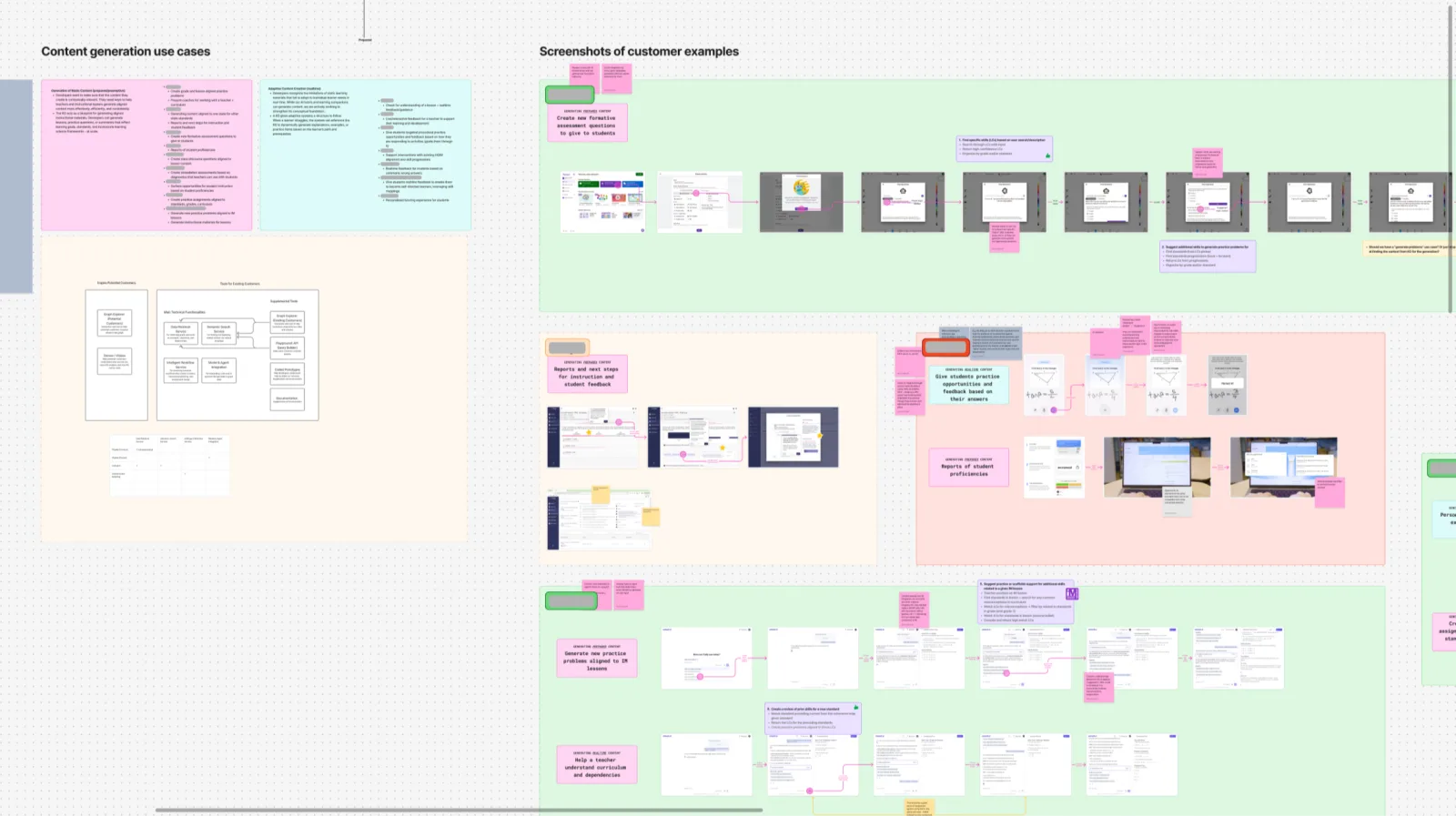
First I analyzed a series of edtech apps and explored where/how Knowledge Graph could be leveraged. This gave me a good understanding of use case patterns across a broad range of products.
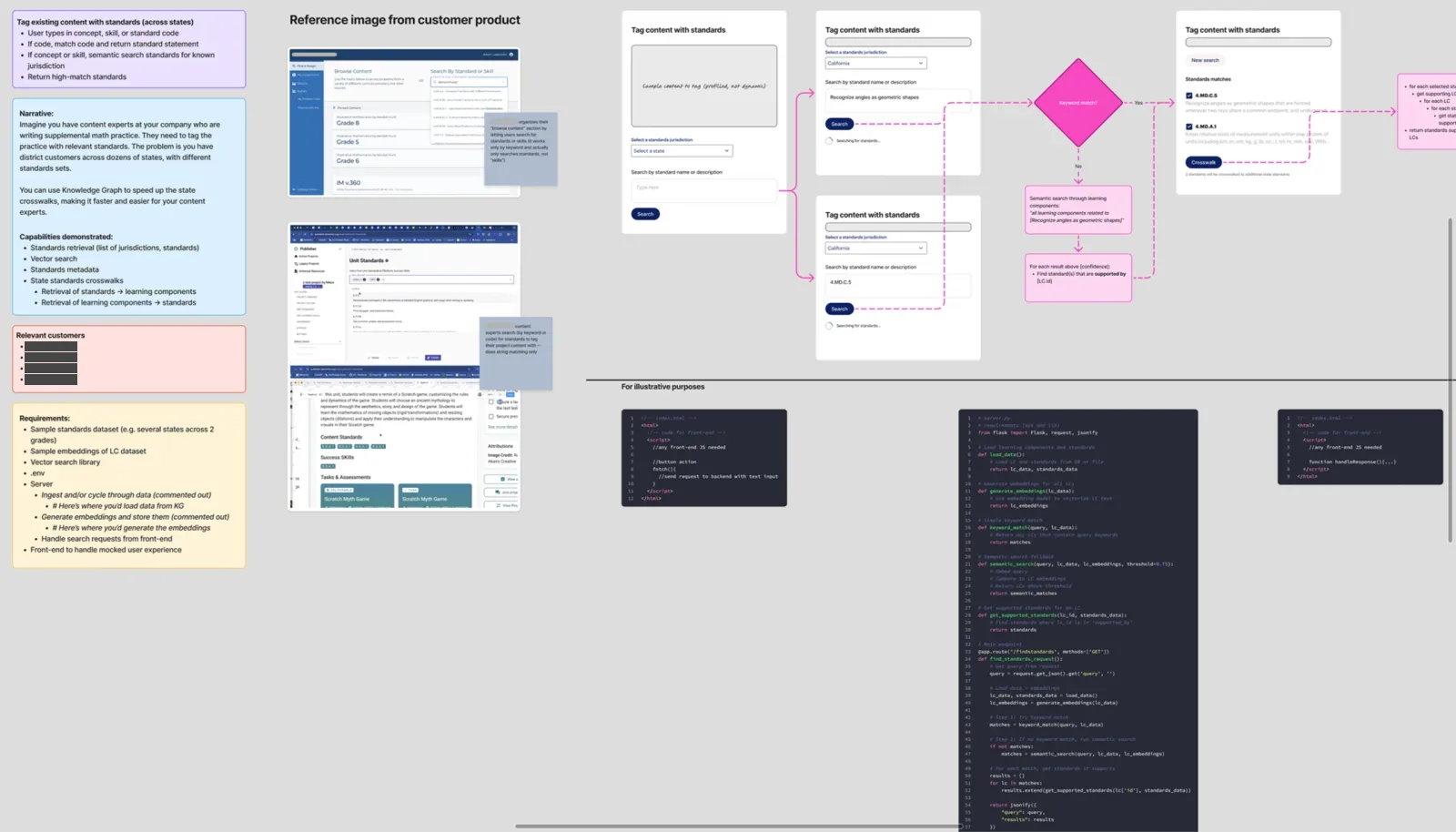
Building on the most common use case patterns, I designed abstracted reference apps that we could scope and build to help edtech developers bootstrap their integrations with Knowledge Graph.
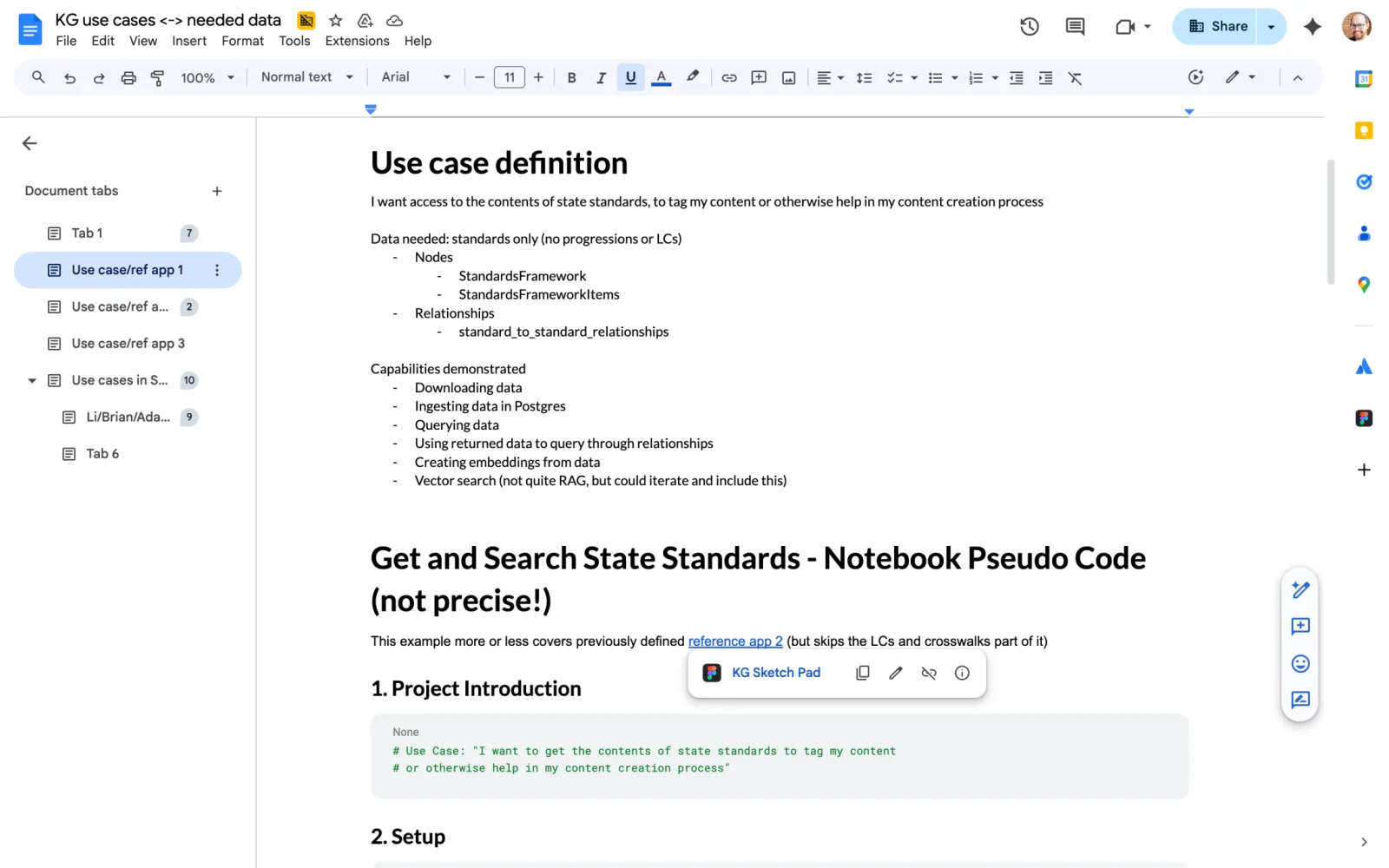
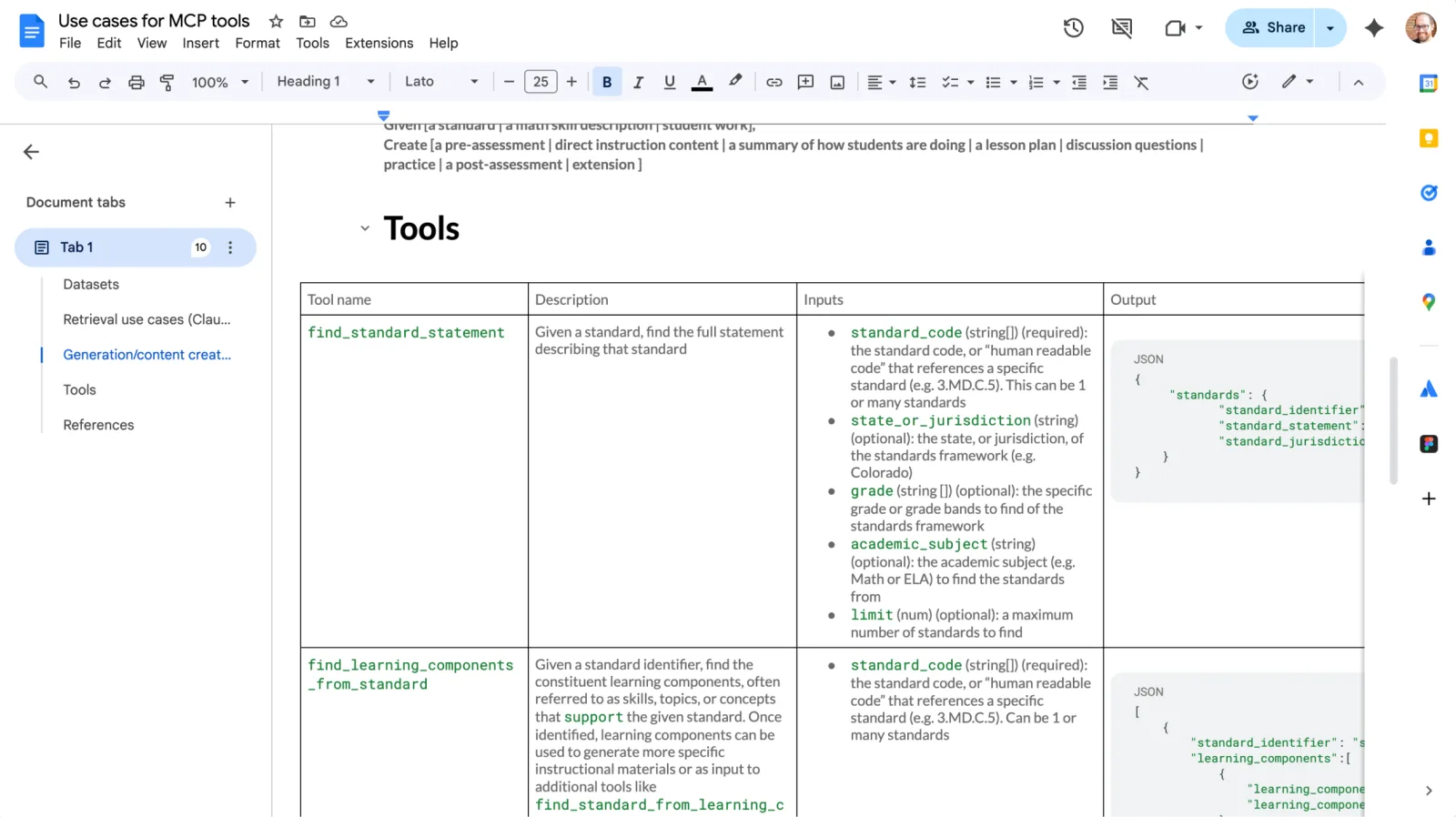
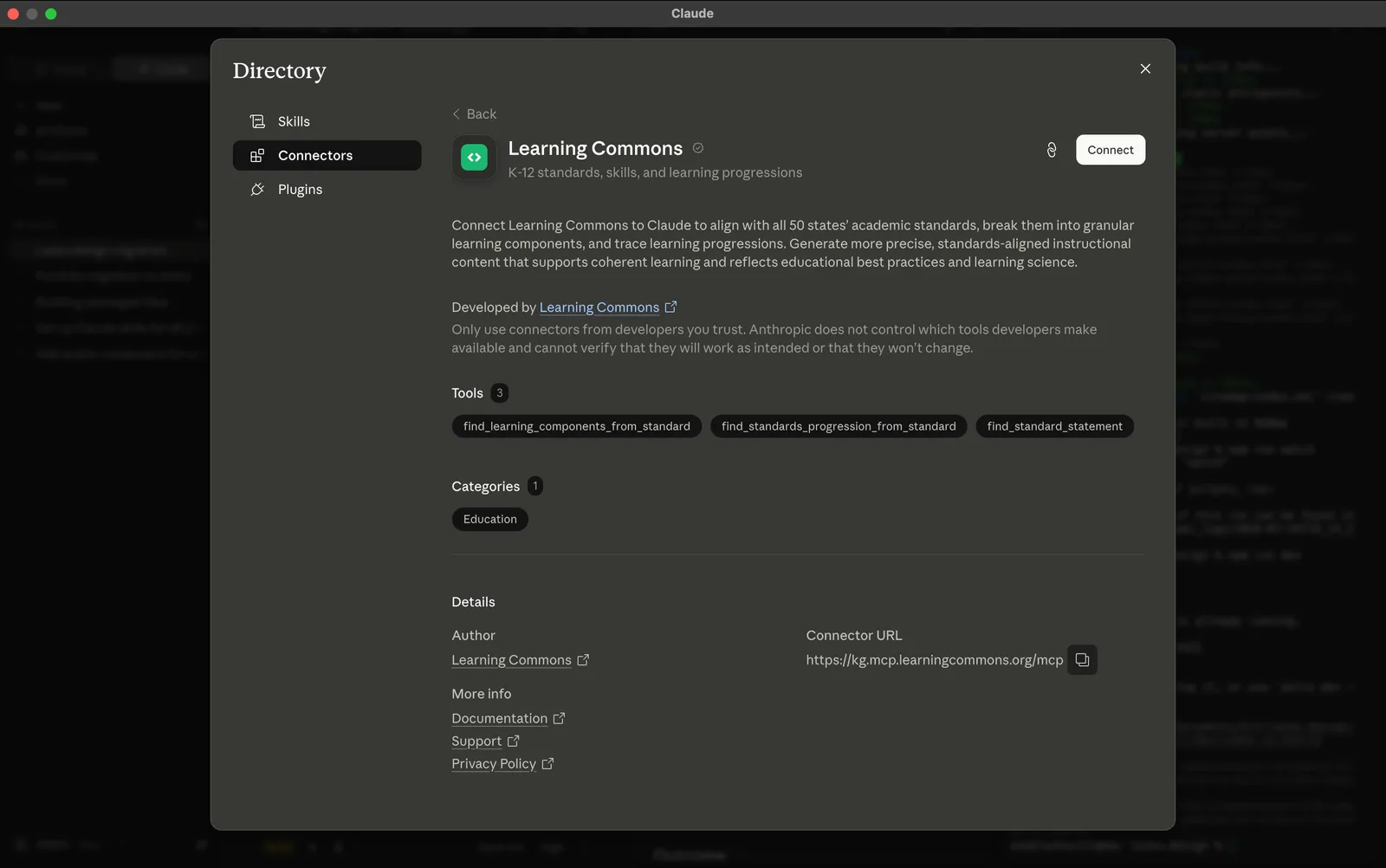
I had the opportunity to work on our first MCP server for Knowledge Graph where I worked through customer needs, use cases, and technical understanding of our datasets to design the first set of MCP tools that the team would build for the public launch. I wrote up an article explaining MCP from a design perspective given the infancy of this protocol and approach to LLM infrastructure.